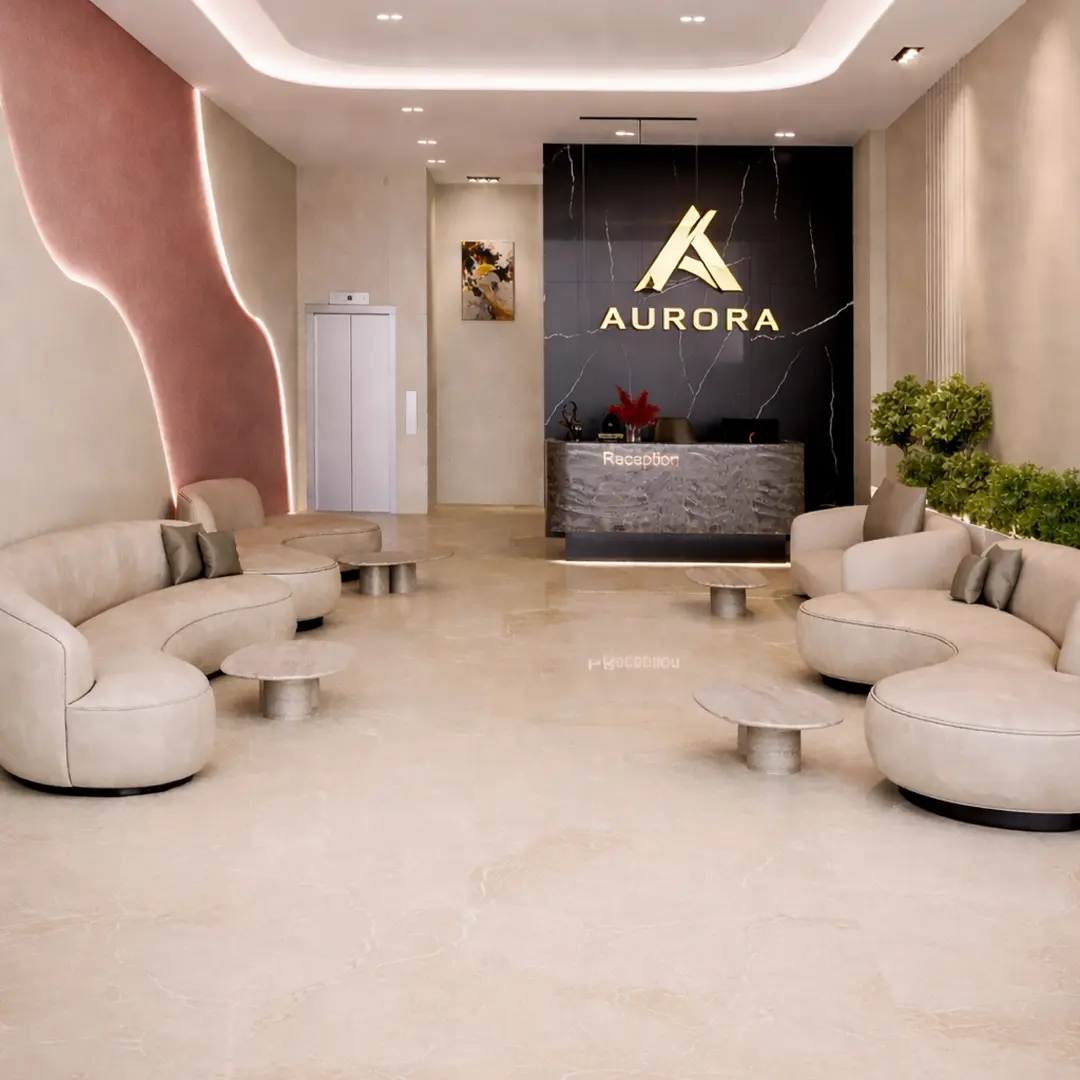
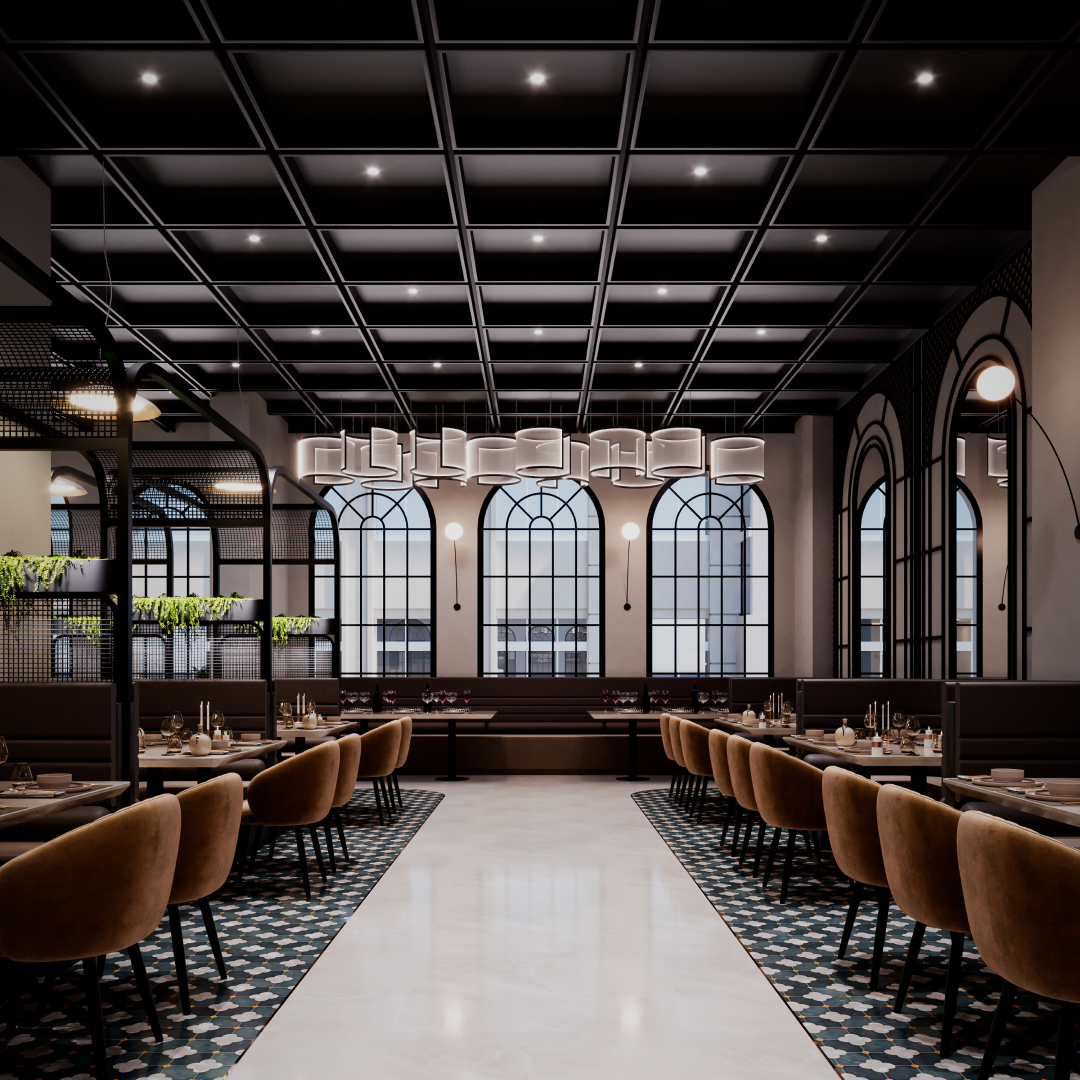
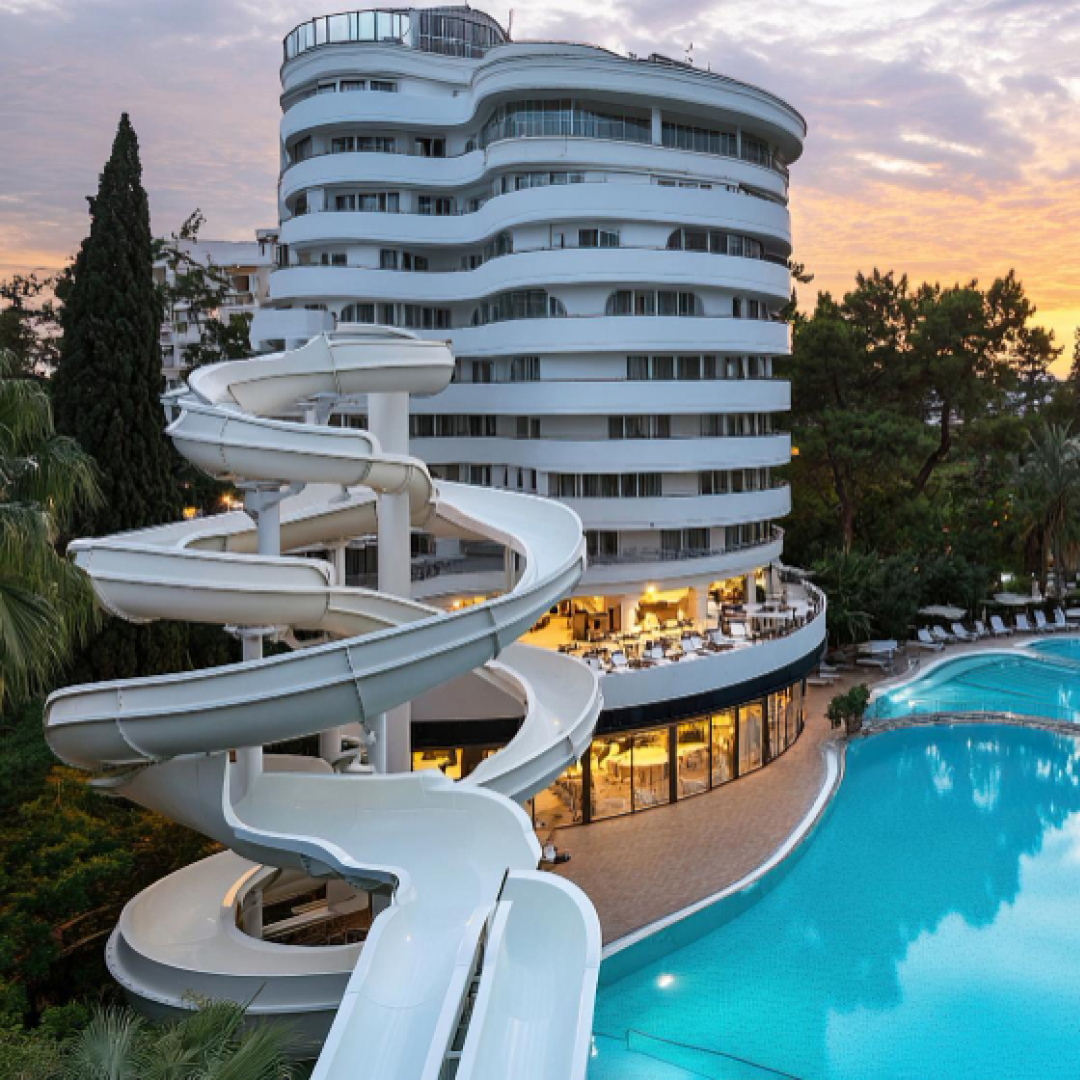
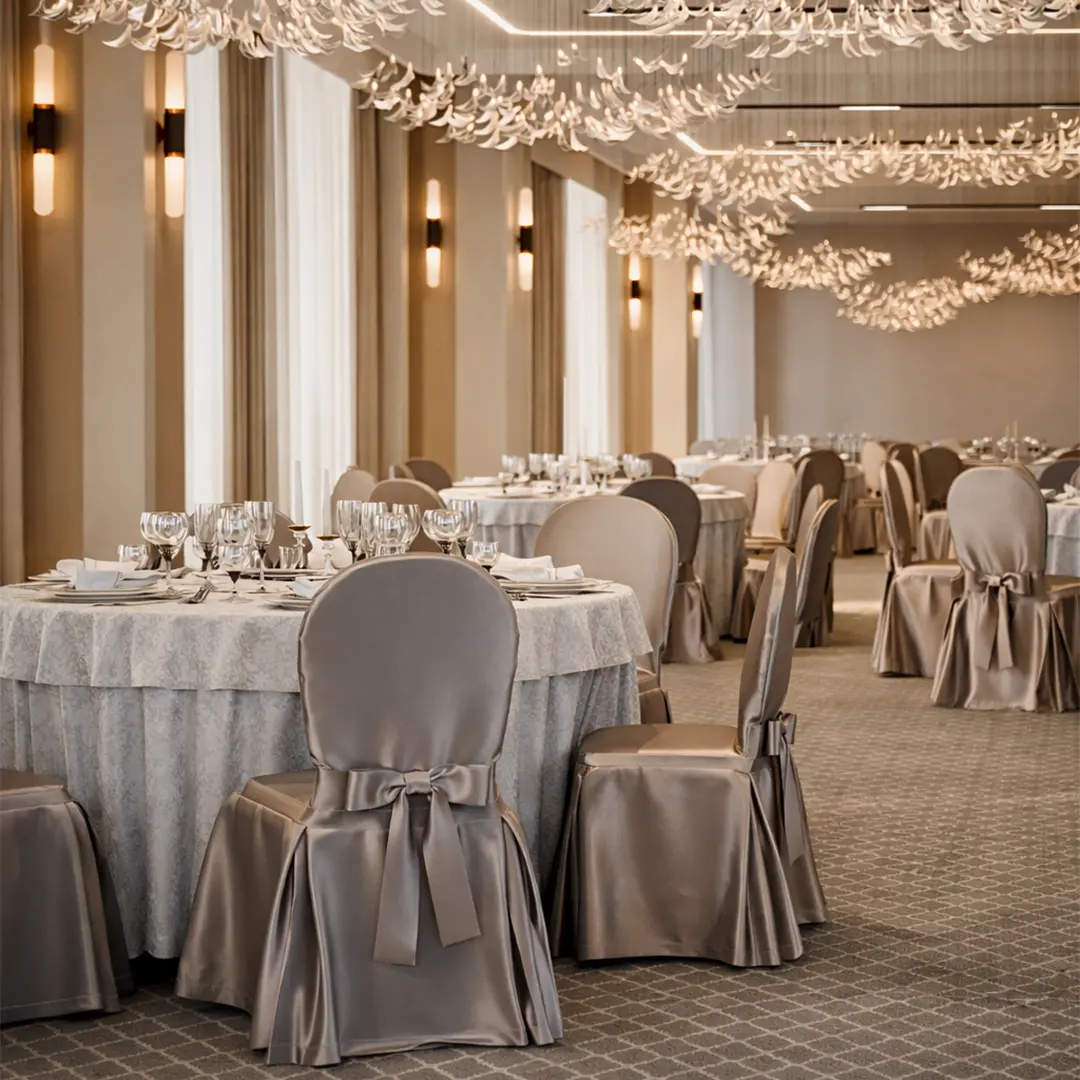
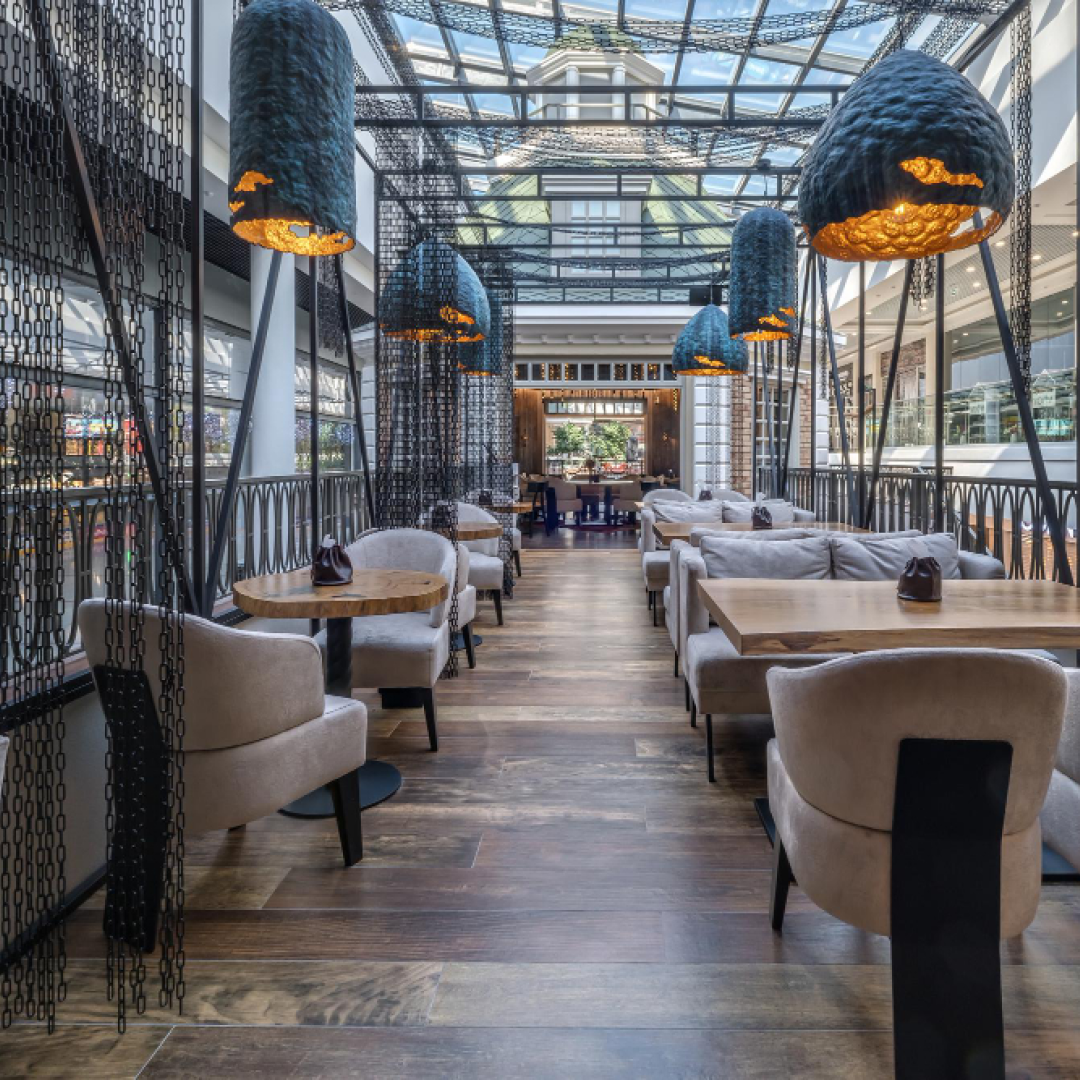
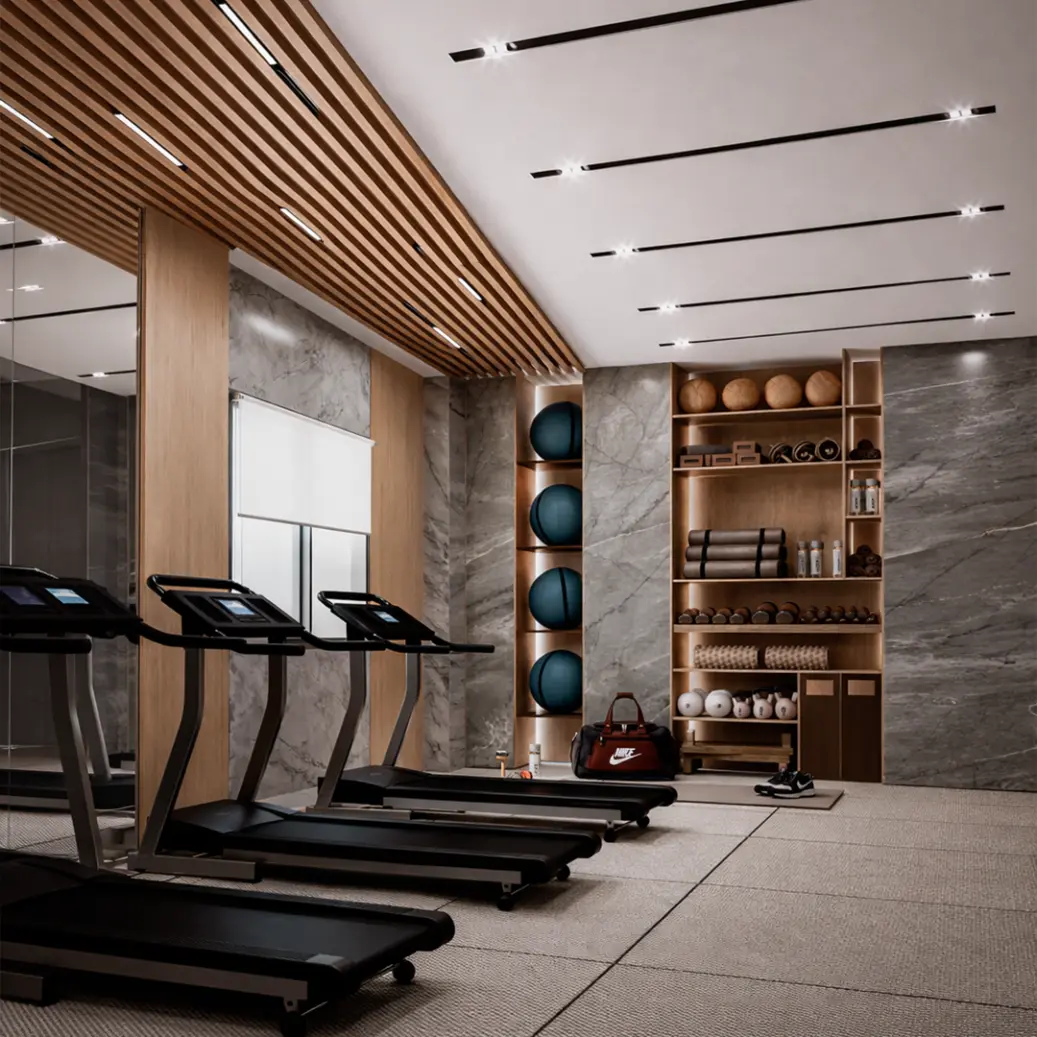
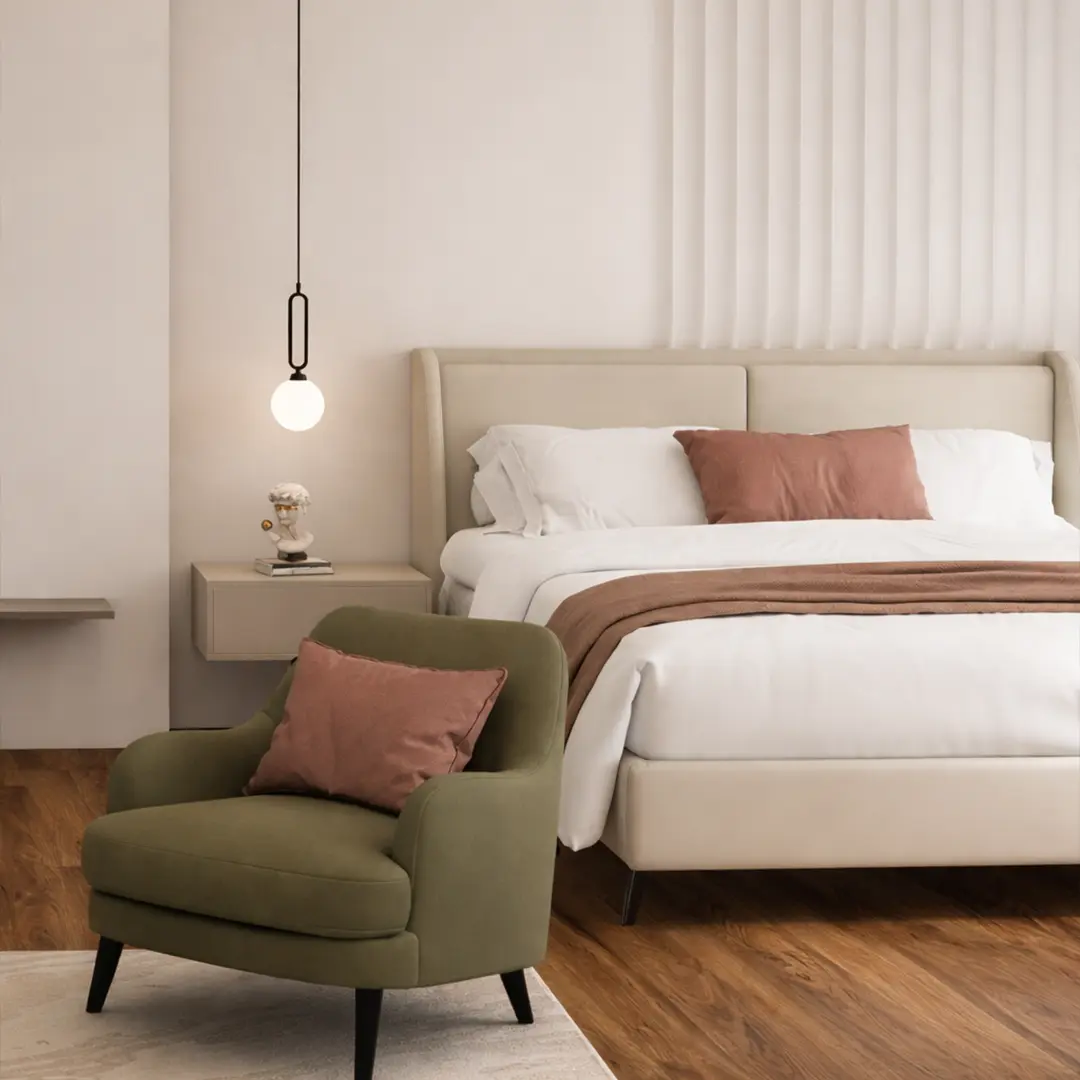
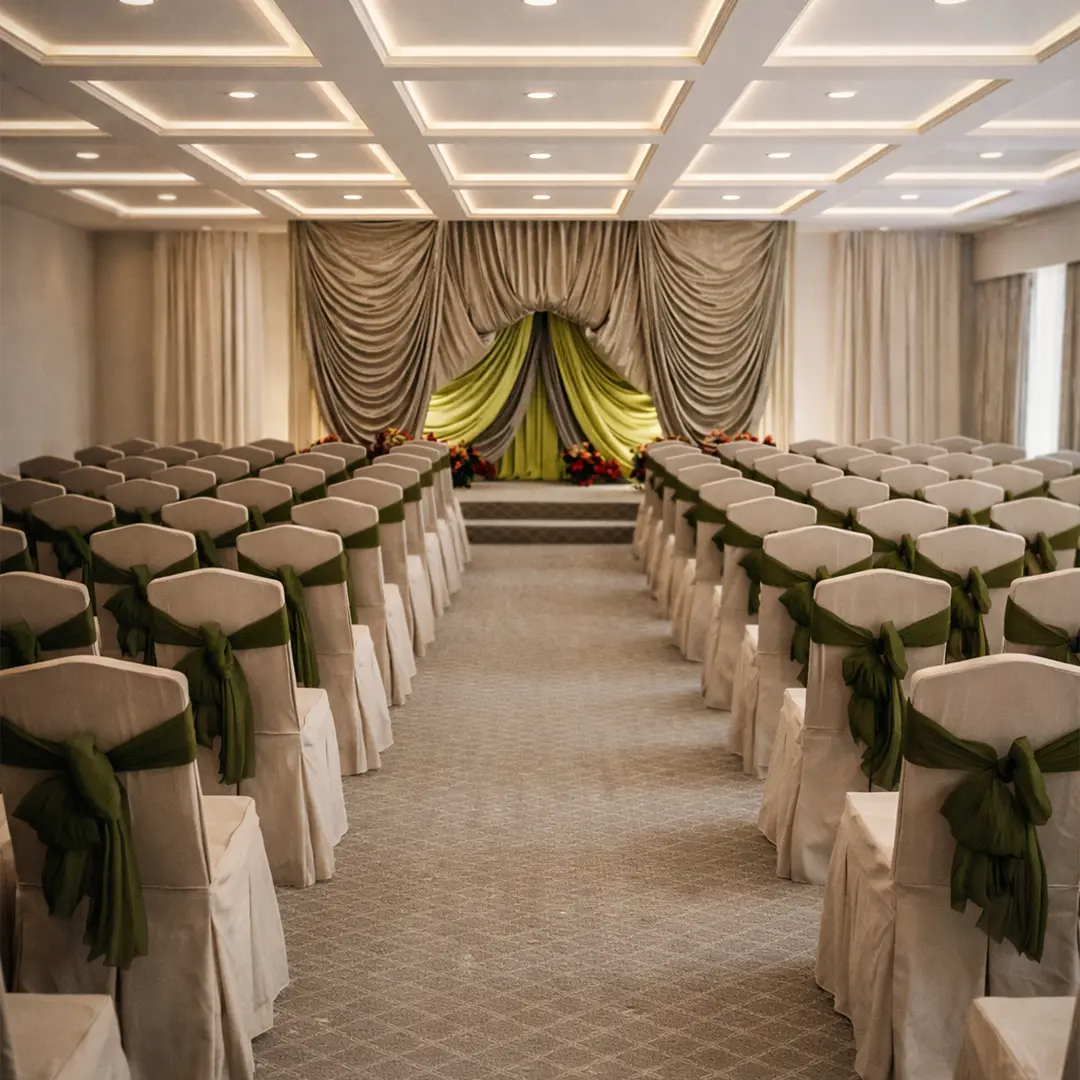
Hospitality spaces are not just designed—they are experienced. While interiors define the look and feel, it is the underlying architectural thinking that shapes how a space flows, functions, and connects.
At Studio Inside Out, we approach hospitality design beyond decoration—focusing on spatial planning, movement, and structure to create environments that feel intuitive and complete.
Because in hospitality, every detail—from layout to lighting—directly influences how a guest feels
Interior + Architecture: A Unified Approach
We bridge the gap between interior design and architecture by treating them as one continuous process. Instead of designing within a fixed shell, we rethink the space—its layout, proportions, and experience.
This allows us to:
Create better spatial flow and zoning.
Align interiors with structural logic.
Design cohesive experiences from entry to exit.
Hospitality design today demands this integration—where interiors, architecture, and brand identity work together to enhance the guest experience.
1.
Inside-Out Design Thinking
We begin with how the space will be used, then shape the design around it.
2.
Spatial Planning First
Layouts, flow, and zoning form the foundation before aesthetics.
3.
Integrated Design Language
Architecture and interiors are aligned to create a cohesive identity.
4.
Experience-Led Execution
Every element is designed to enhance guest comfort, movement, and memory.
Each element is shaped through architectural thinking to create clarity, flow, and lasting performance. The focus is not just on how the space looks—but how it works and feels.